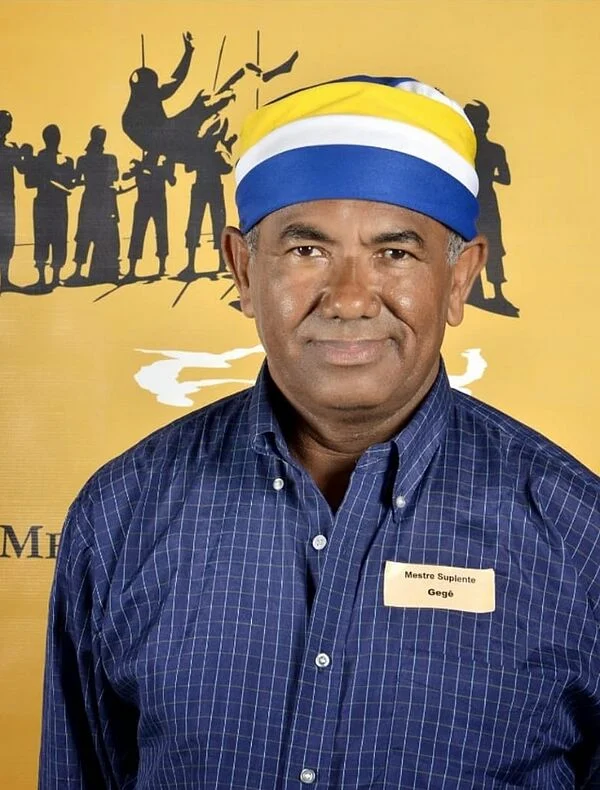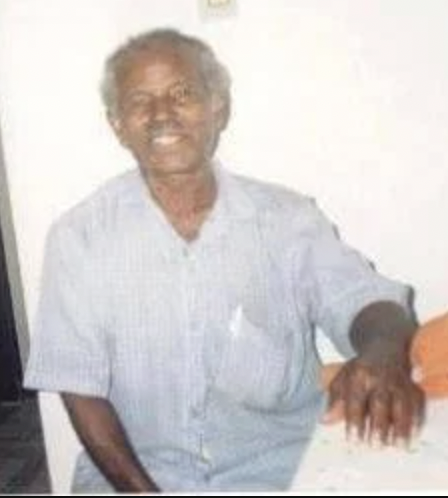
- Lives in: Bahia, Brazil
- Date of Birth: 19-Mar-1919
- Learned from: Mestre Onça Preta, Mestre Cobrinha Verde
- Capoeira Style: Angola
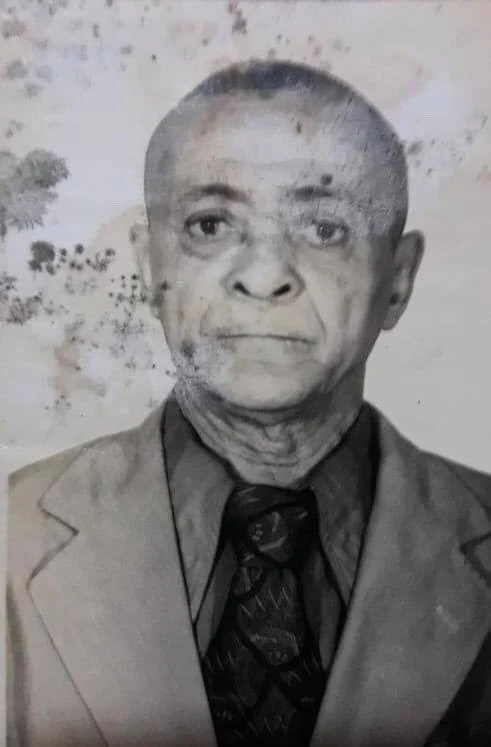
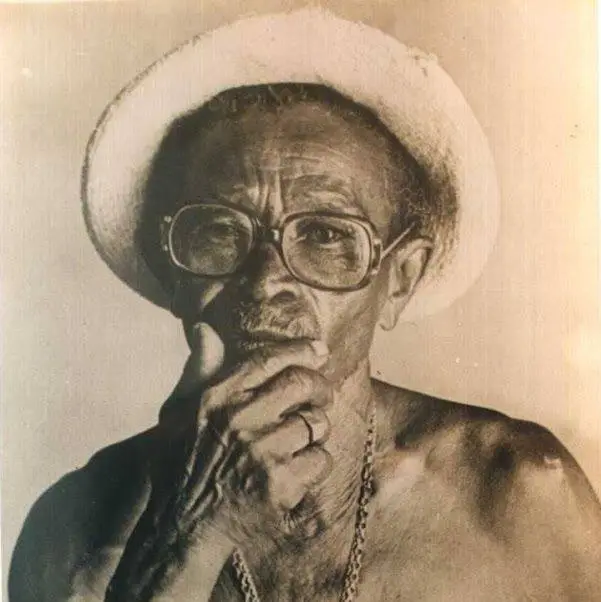
Biography:
José Lídio Carrena (born 16 March 1919 in Brazil), widely known as Mestre Sete, was a Capoeira Angola mestre active mainly in Salvador, Bahia during the mid-20th century. He is associated with the generation of capoeiristas who trained before the official institutionalization of Capoeira Angola and whose activities helped preserve the traditional Bahian style.
Training and Lineage
Mestre Sete trained under two highly respected Angola mestres:
-
Mestre Onça Preta
-
Mestre Cobrinha Verde
Both were influential figures in the early development of Capoeira Angola in Salvador.
Through them, Mestre Sete belonged to a lineage connected to the first generations of documented Angola practitioners.
Activity in Salvador
Mestre Sete was most active in the areas surrounding São Joaquim beach, a known meeting point for workers, sailors, and capoeiristas.
This part of Salvador maintained strong Angola traditions and frequent rodas, which formed the environment in which Sete trained and taught.
He worked as a dockworker at the port of Salvador, a common occupation for many capoeiristas of the time, placing him within a social and cultural setting deeply connected to capoeira’s working-class roots.
Nickname “Sete”
There are different explanations recorded for his nickname:
-
One account states he received the nickname because he once confronted seven policemen during an incident in Salvador.
-
Another account suggests he was called “Sete” because he was born seven months premature.
Both explanations are documented in oral histories, though no single version is officially verified.
Role as a Teacher
Mestre Sete later became a teacher of Capoeira Angola himself. His most documented student is:
-
Mestre Gegê
Gegê provided one of the main sources of information about Sete, describing him as physically strong, respected, and knowledgeable about the Angola tradition.
He also noted that Sete frequently spoke about his time with Mestre Onça Preta.
Historical Mentions and Documentation
While Mestre Sete did not establish a formal academy, his name appears in:
-
oral histories collected by Angola mestres
-
testimony from Mestre Gegê
-
early records connected to rodas in Salvador
-
discussions of Angola practitioners active near the São Joaquim region
There is limited formal documentation about Sete’s later life, and his date of death remains unconfirmed in public records.
Legacy
Mestre Sete is recognized as:
-
part of the pre-institutional generation of Angola mestres
-
a direct student of two historically significant figures
-
a link in the transmission of Angola knowledge between Salvador’s early mestres and later generations
-
an active participant in Salvador’s rodas, especially in working-class areas connected to the port
His legacy is preserved mainly through his students, especially Mestre Gegê, and through the historical mention of his teachers and contemporaries.