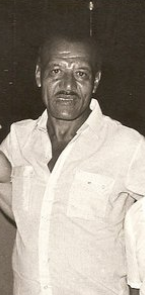
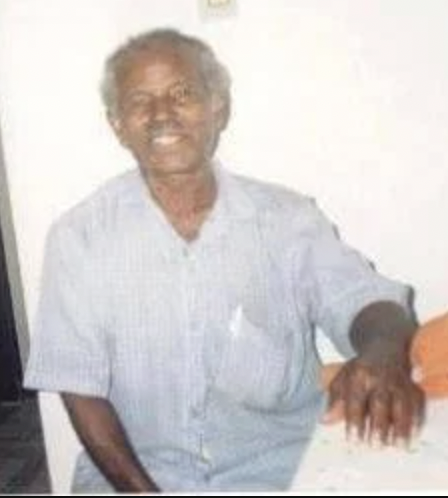
Mestre Onça Preta
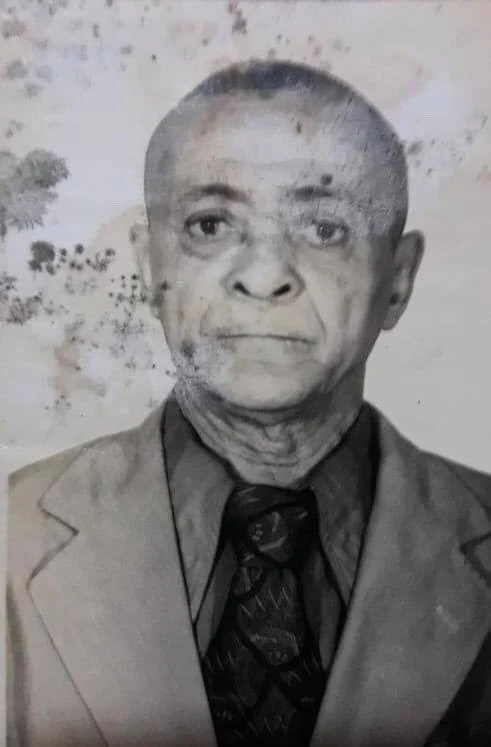
- Lived in: Sao Paolo, Brasil
- Date of Birth: 27-Jan-1909
- Date of Death: 27-Oct-2006
- Learned from: Mestre Aberrê
- Capoeira Style: Angola
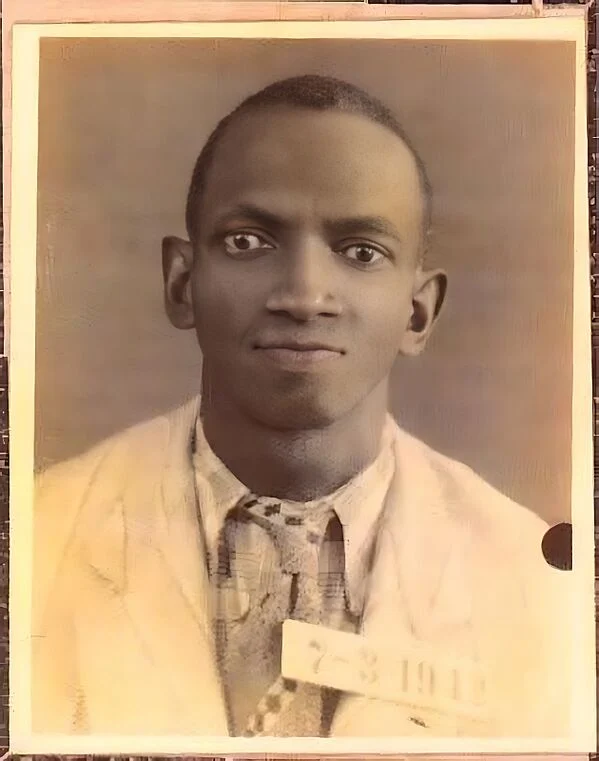
Biography:
Cícero Navarro (27 January 1909 – 27 August 2006), known as Mestre Onça Preta, stands as one of the most important figures in the early history of Capoeira Angola. Born in Salvador, Bahia, he lived through nearly a century of Brazilian cultural transformation and played a decisive role in carrying the Bahian Angola tradition into the 20th century and beyond.
Early Life and Formation in Bahia
Growing up in Salvador during a period when capoeira was still criminalized under the 1890 Penal Code, Onça Preta entered the art at a time of secrecy, danger, and resistance. He learned alongside some of the most legendary capoeiristas of the first and second modern generations, including:
-
Aberrê
-
Samuel Querido de Deus
-
Noronha
-
Juvenal
-
Mestre Pastinha
This circle of early mestres shaped his understanding of mandinga, cleverness, ritual, and the cultural depth of the Angola style.
His nickname, Onça Preta (“Black Panther”), reflects both his agility and the respect—and fear—he commanded in the roda.
A Foundational Figure in Public Recognition of Capoeira
One of the defining moments of his life occurred in January 1937, when Onça Preta participated in the historic roda at the II Congresso Afro-Brasileiro, organized by Edison Carneiro.
This event marked a turning point by bringing capoeira out of the shadows and presenting it publicly as an Afro-Brazilian cultural heritage worthy of respect.
His game with Samuel Querido de Deus during the congress became part of capoeira memory.
The following year, in 1938, he appeared in the roda photographed by anthropologist Ruth Landes in Itapagipe—one of the earliest photographic records of Angola players.
Contribution to Pastinha’s CECA and Roda Traditions
According to Mestre Pastinha’s manuscripts, Onça Preta was among those who helped establish the Centro Esportivo de Capoeira Angola (CECA) at Gengibirra in 1941, which would soon become the most influential Angola institution of the 20th century.
He also hosted rodas de mandinga in the neighborhoods of Pau Miúdo and Alto das Pombas, known to be places of ritual play, cunning games, and deep Angola culture.
Challenges, Survival, and Migration to Rio de Janeiro
In 1955, newspapers such as Última Hora announced a capoeira challenge between Artur Emídio and Onça Preta, attesting to his reputation.
But his life also carried the scars of repression. During a police raid on a roda in Cidade Baixa, cavalry officers trampled him. The injuries kept him from playing for years, leaving permanent marks on his legs — a reminder of the violent criminalization of Afro-Brazilian culture.
Around 1959, he moved to Rio de Janeiro, where his influence continued to grow.
Co-founding Filhos de Angola
In 1960, alongside Mestres Roque, Mucungê, Dois de Ouro, Baleado, and Imagem do Cão, he co-founded the group Filhos de Angola, one of the first Angola groups in Rio de Janeiro.
This group became a crucial link in transmitting the Bahia lineage to Rio, helping create the Angola scene that would later influence mestres such as Moraes, Neco, Braga, Cobra Mansa, and others.
He participated in cultural projects including the Projeto Capoeira Dança at Circo Voador (1982), and contributed musically, including playing pandeiro on the album of Mestre Paraná.
Later Life and Legacy
A 1972 interview in O Dia revealed the difficulties faced by many early mestres: at the time he was working as a janitor in a children’s hospital, living modestly in Rio’s suburbs.
In 1985, he moved to São Paulo, where he continued teaching and transmitting his knowledge until his passing on 27 August 2006, at the age of 97.
Among the guardians of his lineage are:
-
Mestre Inauá
-
Mestre Mucungê
-
Mestre Arerê (who documented his life and role)
Legacy
Mestre Onça Preta is remembered today as:
-
a bridge between the earliest generations of Angola and the modern era
-
a participant in foundational historical events
-
a co-founder of Filhos de Angola, influencing Rio’s Angola movement
-
a keeper of mandinga, ritual, and Bahian tradition
-
one of the longest-lived and most respected ancestral figures in Capoeira Angola history
His nearly century-long life spanned the criminalization, resistance, reorganization, and global expansion of capoeira.
Through oral history, rodas, manuscripts, and generations of students, his legacy remains deeply rooted in the soul of Capoeira Angola.