- Lived in: Salvador, Bahia, Brazil
- Date of Birth: 06-Aug-1895
- Date of Death: 09-Jan-1942
- Learned from: Mestre Pastinha, Mestre Noronha
- Capoeira Style: Angola
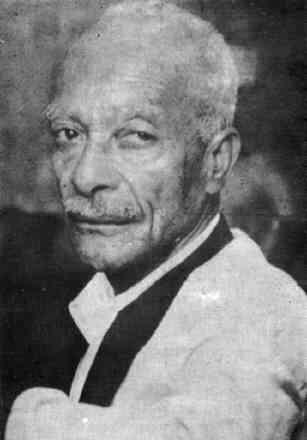
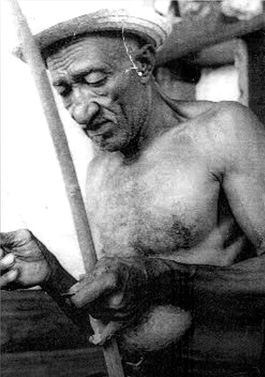
Biography:
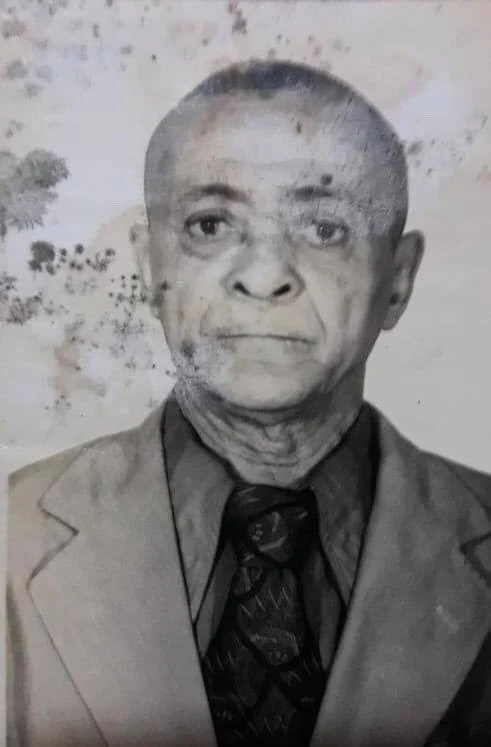
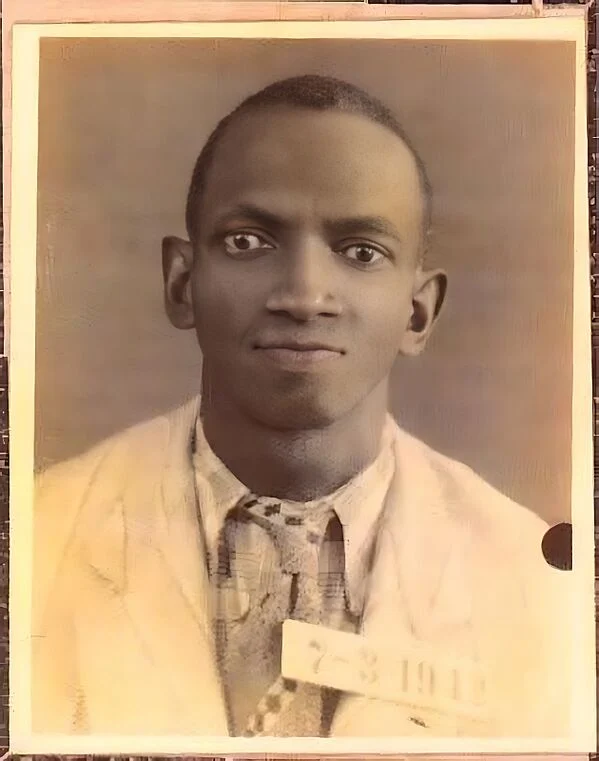
Mestre Aberrê, born Antônio Raimundo Argolo on August 6, 1895, in Salvador, Bahia, was a crucial figure in the development and preservation of Capoeira Angola. His legacy is felt through the generations of capoeiristas he influenced, including notable masters like Mestre Canjiquinha and Mestre Caiçara, both of whom carried his teachings forward. Mestre Aberrê’s impact extends beyond just his technical expertise; he helped solidify Capoeira as a cultural symbol of Bahia and Brazil.
Early Life and Capoeira Beginnings
Mestre Aberrê's connection to Capoeira began early, shaped by his environment in Salvador, a city known for its deep Capoeira roots. Born in the same year as the legendary Besouro, Mestre Aberrê was introduced to the art around 1910–1912. He trained with influential mestres, including Mestre Pastinha and possibly Mestre Antônio de Noronha, and spent much of his early years practicing in the Matatu Preto area, which was known for its strong Capoeira tradition.
Rise to Prominence
By the mid-1930s, Mestre Aberrê had become a respected figure in the Capoeira community. In 1935, he began teaching Mestre Canjiquinha, a promising student who would later become one of the most influential figures in Capoeira. Aberrê also mentored Mestre Caiçara, further expanding his impact on the art form.
A key milestone in his career was his involvement in organizing the Angola center at Conceição da Praia, along with Amorzinho and Totonho de Maré. This center eventually grew into the iconic Gengibirra roda, a hub for Capoeira practice and gathering in Salvador.
The Iconic Challenge with Mestre Bimba
Mestre Aberrê is perhaps best remembered for his legendary challenge against Mestre Bimba in 1936. This event took place at Parque Odeon in Salvador and represented a clash between two distinct Capoeira styles: Capoeira Angola (defended by Aberrê) and Capoeira Regional (developed by Mestre Bimba). This confrontation epitomized the tension between the traditional, roots-focused Capoeira and the more modernized form that Bimba had introduced.
Mestre Aberrê also faced another famous opponent, Onça Preta (Cícero Navarro), in May 1936, which further solidified his reputation as a formidable Capoeira master and defender of the traditional Angola style.
Legacy and Contributions
Beyond his challenges with Bimba, Mestre Aberrê played a key role in revitalizing Capoeira Angola. In 1941, he persuaded Mestre Pastinha to return to teaching Capoeira Angola after a period of absence, helping to preserve the tradition at a time when Capoeira was becoming more mainstream.
Mestre Aberrê’s death in September 1942 marked the end of an era for Capoeira Angola. Though the exact cause of his death is debated, with some claiming he died from a heart attack during a roda and others stating he choked on food, his passing was mourned across Bahia. The entire Capoeira community paused for weeks in his honor.
A Lasting Legacy
There has been some controversy regarding Mestre Aberrê’s relationship with Mestre Pastinha, with some later mestres questioning Pastinha’s claim that Aberrê was his student. Despite these disputes, there is no denying that Mestre Aberrê was one of the foundational figures in Capoeira Angola. His students, especially Mestre Canjiquinha and Mestre Caiçara, ensured that his teachings and philosophies were passed on, preserving his legacy for future generations.
Mestre Aberrê’s influence on Capoeira Angola remains profound. He was instrumental in preserving the art form’s roots and teaching it to future generations. His contributions shaped not only the practice of Capoeira but also its cultural significance, and he is celebrated as a cornerstone of Capoeira’s legacy in Bahia.