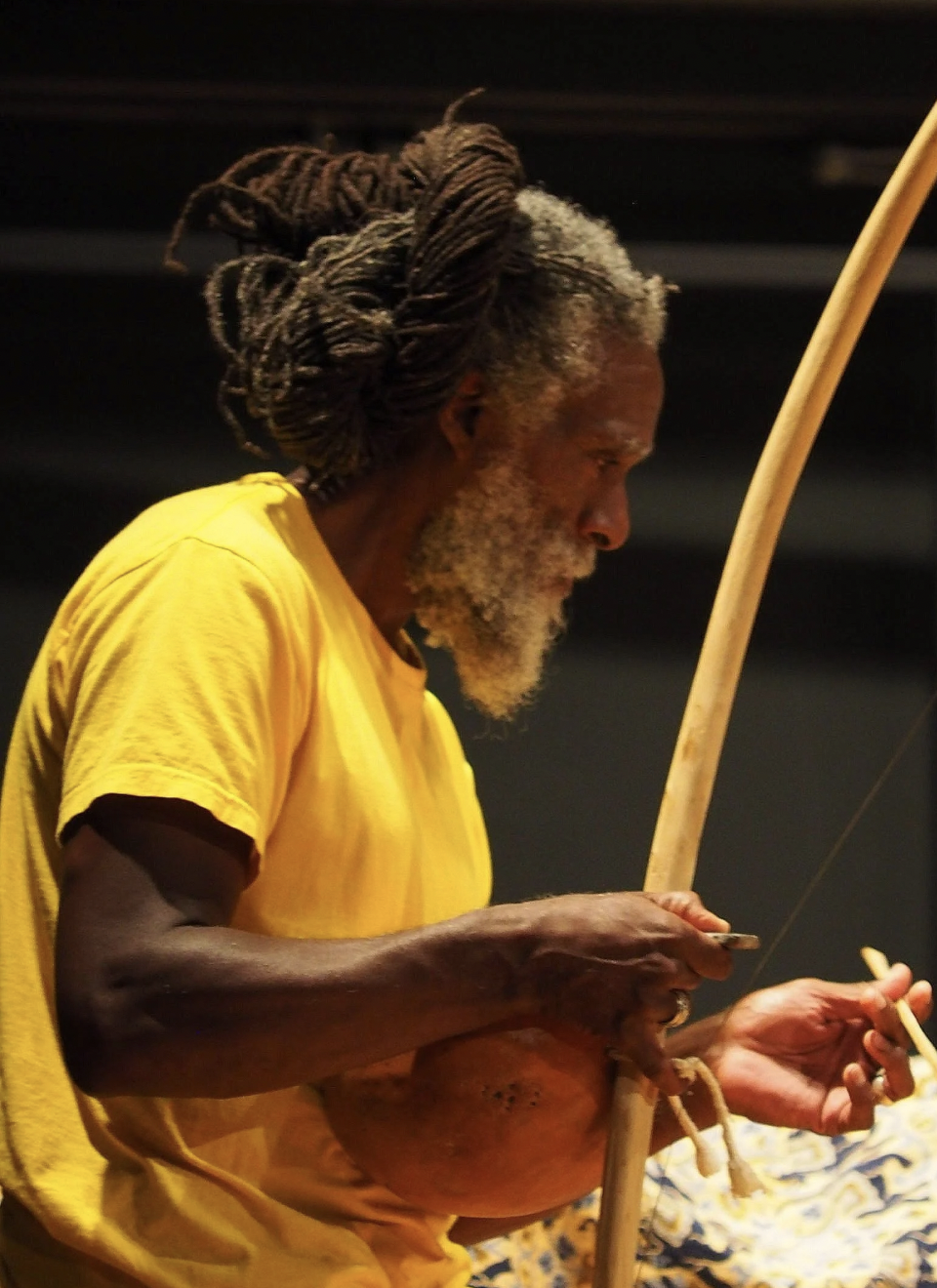
- Lives in: San Francisco, USA
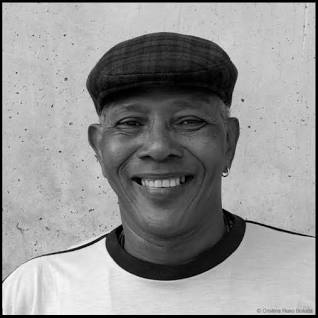
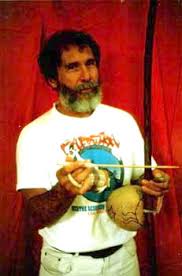
- Learned from: Mestre Moraes, Mestre Acordeon
- Capoeira Style: Angola
Biography:
Mestre Themba Mashama, known simply as Mestre Themba, is one of the most important figures in the history of capoeira in the United States. A native of San Francisco, he has dedicated more than 42 years to the study, practice, and teaching of capoeira, becoming a bridge between Brazilian tradition and American cultural space.
More than a capoeirista, he is also a therapist, activist, community leader, father, and husband, viewing capoeira as a profound tool for healing, identity, and empowerment.
Early Path and Training
Mestre Themba began training capoeira in the Bay Area, first entering the world of Capoeira Regional under the guidance of Mestre Acordeon, one of the most influential capoeira masters to introduce the art to the United States.
Through Acordeon’s mentorship, Themba developed:
-
disciplined movement
-
musical and cultural understanding
-
pedagogical foundations
-
and a deep appreciation for capoeira’s social and historical dimensions
Seeking to deepen his knowledge and to reconnect with the African and Afro-Brazilian origins of the art, Themba later pursued training in Capoeira de Angola under Mestre Moraes—oneof the foremost guardians of the Angola tradition, rooted in the teachings of Mestre Pastinha.
Master of Two Traditions
Through decades of rigorous practice, study, and cultural immersion, Mestre Themba earned a unique place in capoeira history:
He became the first American capoeirista to master both:
-
Capoeira Regional, and
-
Capoeira Angola
This distinction not only reflects technical mastery but also a deep understanding of the philosophical and ritual roots of both styles. His knowledge spans movement, music, oral history, African cosmology, and community tradition.
Founding the First Capoeira Angola School in the United States
Driven by a commitment to preserve and teach the ancestral tradition, Mestre Themba founded Kapoeira N’gola Preto Velho, the first Capoeira de Angola school in the United States.
Through this groundbreaking initiative, he helped:
-
introduce Angola philosophy to the U.S.
-
build a stable community of angoleiros
-
establish a lineage rooted in Moraes and Pastinha
-
and nurture multiple generations of American practitioners
The school remains one of the most respected Angola institutions outside Brazil.
Capoeira as Healing, Resistance, and Community Work
With his background as a therapist, Mestre Themba approaches capoeira holistically.
For him, the art is:
-
a tool for healing trauma
-
a space for cultural identity
-
a form of emotional resilience
-
and a practice of liberation and empowerment
His activism intertwines with his teaching, using capoeira to support LGBTQ+ youth, marginalized communities, people of color, and individuals seeking connection, confidence, and purpose.
He has become a vital presence in community building across the Bay Area, where his rodas and classes welcome people from all backgrounds.
Legacy and Continuing Work
Today, as the leader of Kapoeira N’gola Preto Velho, Mestre Themba continues to inspire new generations. His influence extends across the United States and internationally through workshops, lectures, and community projects.
He is recognized as:
-
a pioneer of Capoeira Angola in North America
-
one of the few masters deeply rooted in both Regional and Angola
-
a cultural bridge between Brazil and the U.S.
-
a healer and community activist
-
and a guardian of the spiritual and ancestral essence of capoeira
For more than four decades, Mestre Themba has embodied the dual nature of capoeira—as a fight and as a dance, as resistance and as ritual, as a personal journey and a collective practice.
His ongoing work ensures that capoeira continues to flourish as a living art, rooted in tradition and transformed through community.