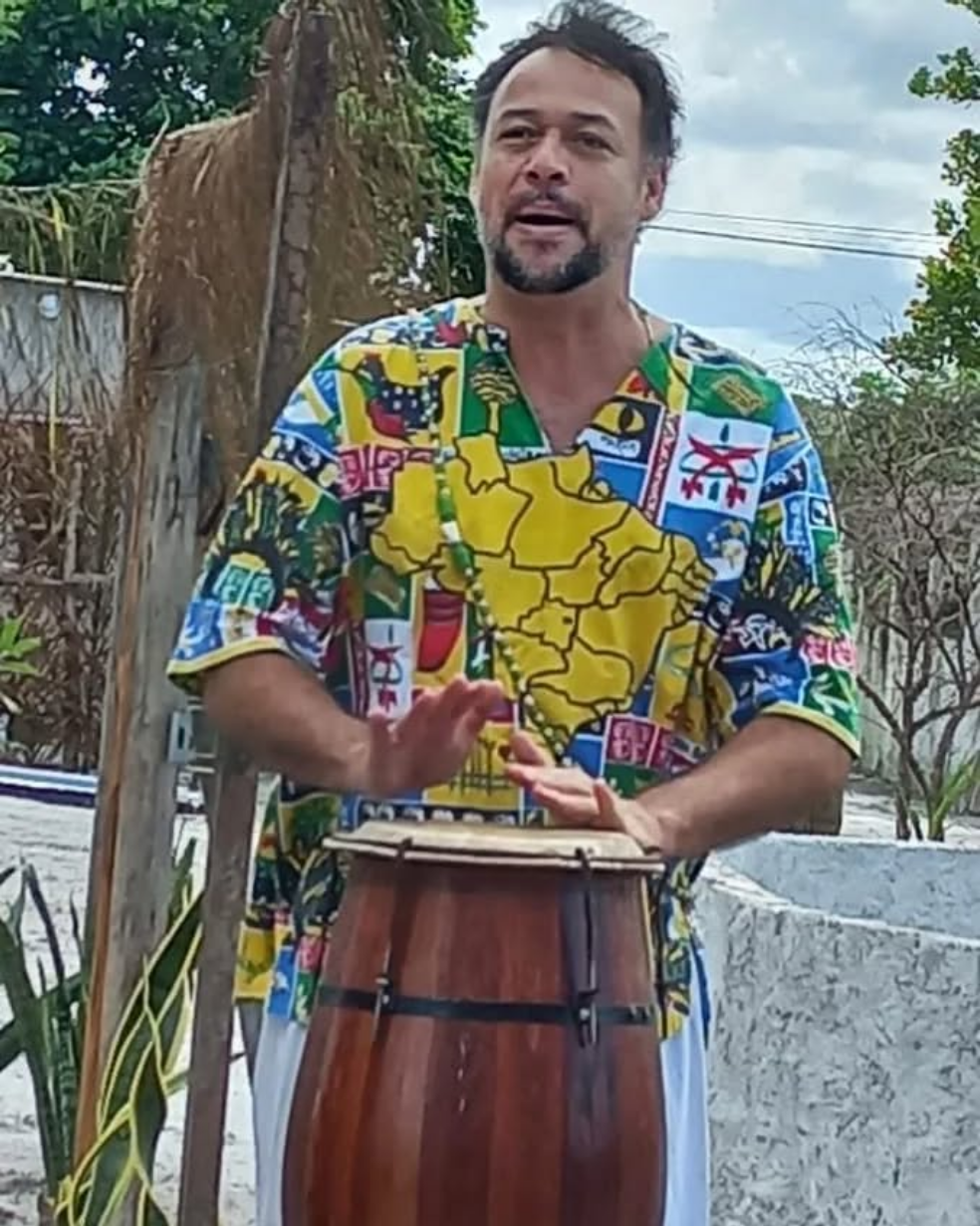
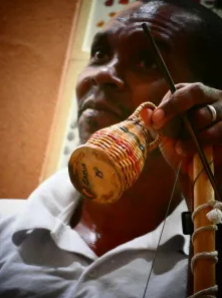
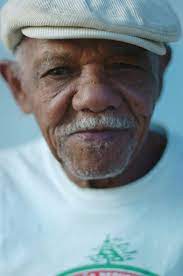
Mestre Barba Branca
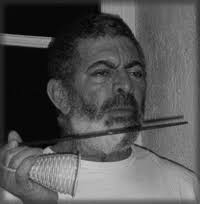
- Lived in: Bahia, Brazil
- Date of Birth: 28-Mar-1956
- Date of Death: 13-Nov-2021
- Learned from: Mestre Traíra, Mestre João Pequeno
- Capoeira Style: Angola
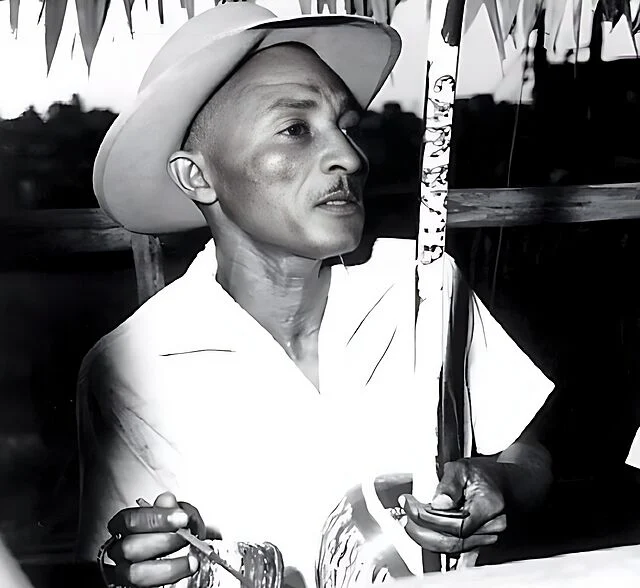
Biography:
Mestre Barba Branca, born Gilberto Reis Ferreira Santos Filho on March 28, 1956, in Canavieiras, Bahia, is remembered today as one of the most important figures of Capoeira Angola’s modern era. His life’s work helped preserve, expand, and dignify the tradition of Capoeira Angola both in Brazil and internationally.
When he was thirteen or fourteen, after moving with his family to the Liberdade neighborhood of Salvador, he discovered capoeira through Mestre Traíra, a renowned disciple of Mestre Waldemar. The sudden passing of Mestre Traíra in the early 1970s left the young Gilberto without a teacher, but his determination led him to continue searching.
In the mid-1970s, he encountered Mestre João Pequeno, one of the greatest students of Mestre Pastinha. He became part of João Pequeno’s early group during the refounding of CECA (Centro Esportivo de Capoeira Angola) at the Forte Santo Antônio Além do Carmo in 1982. For nearly fifteen years, Barba Branca trained intensely in this lineage alongside names such as Eletricista, Jogo de Dentro, Junior, Rita, Roque, Zanders, and many others.
A Leader in His Community
In 1984, Mestre Barba Branca began teaching in Cabula and surrounding neighborhoods. His work rapidly expanded, especially with children and adolescents. He later developed a long-standing project called Ibéji, in partnership with the historic Candomblé terreiro Ilê Axé Opó Afonjá, under Mãe Stella de Oxóssi. His dedication to community education and cultural preservation became one of the defining marks of his career.
In 1991, he officially founded the Grupo de Capoeira Angola Cabula (GCAC) — which would later grow beyond Brazil and become one of the most recognizable Angola groups in Europe.
ABCA and the Strengthening of Angola
Mestre Barba Branca played a critical role in the creation of the Associação Brasileira de Capoeira Angola (ABCA). He participated in the early meetings in 1987, and at the official re-foundation on August 23, 1993, he became the president of the association.
Under his leadership, ABCA worked to honor older mestres — such as Caiçara, Zacarias Boa Morte, Diogo, and others — and to protect the philosophical, ritual, and cultural foundations of Capoeira Angola.
Recognition as a Mestre
In 1994, after decades of dedication, he received the title of Mestre from his teacher, Mestre João Pequeno, joining the lineage of Pastinha through one of its most respected transmitters.
International Legacy
Mestre Barba Branca’s influence spread far beyond Brazil.
• In 1998, he taught in Finland with Mestre Zé do Lenço.
• In 2001, he connected with capoeiristas in Lyon, France, leading to the creation of GCAC France in 2003, with bases in Lyon, Grenoble, and Ardèche.
• He supervised the group in France for many years, often traveling and teaching there personally.
He also recorded his album “Tudo na Paz, Só Alegria!” in 2011 in Grenoble, France — an important musical contribution to the tradition.
Final Years and Passing
Despite struggling with health issues caused by a stroke in 2019, cirrhosis, and cardiovascular complications, Mestre Barba Branca continued working with his group and transmitting his knowledge until the very end. He passed away in Salvador on November 13, 2021, at age 64.
Today, his lineage continues through Mestre Saúva in Cabula and through the Brazilian and French branches of the GCAC, supported by contra-mestres, treinéis, and new generations of students.
A Philosophy Rooted in Nature
In one of his most memorable interviews, Mestre Barba Branca explained capoeira through a metaphor of the gavião, the hawk:
“When a hawk is born, it calls and calls until the mother comes to feed it.
It grows, takes flight, and begins to hunt its own food.
Capoeira is the same.
You start crawling, then walking, then understanding the game.
And only then do you become a mestre — by being yourself and knowing how to conduct yourself.”
This philosophy reflects the essence of Barba Branca’s life: growth, independence, humility, and evolution.