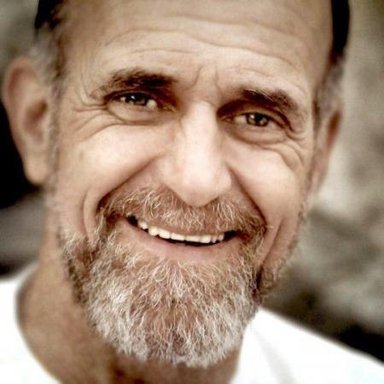
Mestre Camisa Roxa
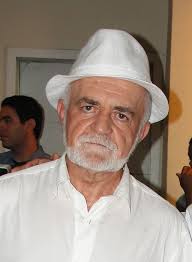
- A vécu à : Salvador, Bahia, Brazil
- Date de naissance : 07-Jan-1944
- Date de décès : 18-Apr-1944
- Appris de : Mestre Bimba
- Style de Capoeira : Regional
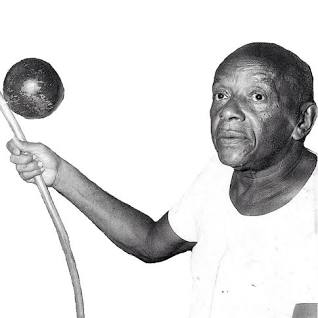
Biographie :
Nom complet : Edvaldo Carneiro e Silva
Né : le 7 janvier 1944 - Fazenda Estiva, Jacobina, Bahia
Mort : 18 avril 2013 - Salvador, Bahia
Lignée : élève de Mestre Bimba
Connu pour : Grão-Mestre de ABADÁ-Capoeira ; pionnier de l'expansion internationale de la capoeira
Premières années et formation
Edvaldo Carneiro e Silva, connu dans le monde entier sous le nom de Mestre Camisa Roxa, a commencé à apprendre la capoeira en 1954, à l'âge de dix ans. En 1962, après avoir déménagé à Salvador pour poursuivre ses études, il est entré à l'académie de Mestre Bimba. Il s'est rapidement distingué par sa discipline, sa posture et sa compréhension des principes fondamentaux de la capoeira régionale, ce qui lui a valu d'être reconnu comme l'un des élèves les plus compétents de Bimba.
Son surnom, Camisa Roxa ("chemise violette"), lui vient de son habitude de porter une chemise violette dans les rodas de Bahia. Dans ces mêmes rodas - y compris celles de Mestre Pastinha, Mestre Waldemar et Mestre Traíra - il s'est forgé une réputation de praticien exceptionnel, respecté par les communautés angolaise et régionale.
Travail artistique et culturel
Dans les années 1960, Camisa Roxa s'est impliqué dans d'importantes initiatives culturelles, notamment Viva Bahia, Olodum Maré et d'autres groupes folkloriques. Il a voyagé à travers le Brésil pour présenter la capoeira et des danses afro-brésiliennes telles que le Maculelê, la Samba de Roda et la Puxada de Rede.
En 1973, il a fondé la compagnie Brasil Tropical, qui s'est produite dans plus de 60 pays. Le groupe s'est produit dans le monde entier, y compris lors de la retransmission de la Coupe du monde de football de 1974, devenant ainsi une force majeure dans la diffusion de la capoeira auprès du public mondial. Les spécialistes citent souvent Brasil Tropical comme l'un des principaux vecteurs de l'arrivée de la capoeira en Europe dans les années 1970.
Des années 1970 aux années 1990, Camisa Roxa a continué à diriger des spectacles, à donner des ateliers et à participer à des productions culturelles dans toute l'Europe, les Amériques et au-delà.
Rôle dans ABADÁ-Capoeira
Mestre Camisa Roxa a été cofondateur et contributeur intellectuel au début de la formation d'ABADÁ-Capoeira, aidant à développer ses statuts, sa structure de formation et sa philosophie.
En 1989, il s'est vu décerner le titre de Grão-Mestre, le grade le plus élevé d'ABADÁ, en reconnaissance de ses décennies de leadership, d'innovation et de contribution culturelle.
Il a contribué à coordonner l'expansion européenne du groupe, en organisant des événements majeurs tels que :
-
Encontro da Primavera (rassemblement de printemps)
-
Jogos Europeus de Capoeira (Jeux européens)
Ces rencontres sont devenues d'importants points d'entraînement et d'intégration pour les capoeiristes de tout le continent.
Philosophie
Mestre Camisa Roxa croyait en une capoeira qui unissait l'Angola et la région, affirmant que l'intention de Mestre Bimba était que les élèves évoluent vers des jeux plus bas et plus complets au fil du temps. Il plaidait pour :
-
la professionnalisation de la capoeira
-
l'unité entre les différents groupes
-
Plus de discipline et de responsabilité chez les dirigeants
-
Une plus grande éducation culturelle par le biais de la performance et de la préservation du folklore
Pour lui, la capoeira n'est pas seulement un combat ou une danse, mais une force culturelle transformatrice capable d'éduquer et d'unifier les communautés.
Famille et vie personnelle
À l'âge de 21 ans, après la mort de son père, Camisa Roxa est devenu le chef de famille, guidant et soutenant ses frères et sœurs. Plusieurs de ses frères - comme Ermival, Pedrinho et José Tadeu - ont suivi son chemin, s'entraînant avec Mestre Bimba et devenant alunos formados.
Dernières années et héritage
Jusqu'à la fin de sa vie, Mestre Camisa Roxa a continué à faire des recherches sur la capoeira, à organiser des événements, à soutenir des initiatives communautaires et à promouvoir l'art à travers les continents. Il a fondé la Festa da Capoeira in Bahia (2010), un événement qui rend hommage aux personnes qui ont contribué à l'essor de la capoeira.
Il est décédé le 18 avril 2013, laissant derrière lui l'un des héritages les plus influents de la capoeira moderne. On se souvient de lui comme :
-
Un leader visionnaire
-
Un maître de la scène
-
L'un des plus grands ambassadeurs internationaux de la Capoeira Regional
-
Une figure fondamentale dans l'histoire d'ABADÁ-Capoeira
Son impact a contribué à façonner la présence mondiale de la capoeira aujourd'hui.