- Lives in: Brasilia - DF
- Date of Birth: 05-Feb-1947
- Learned from: Mestre Arraia
- Capoeira Style: Regional, Angola
Biography:
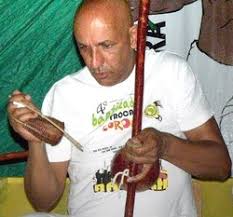
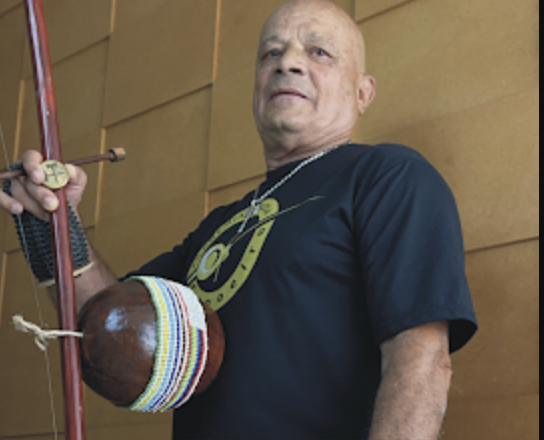
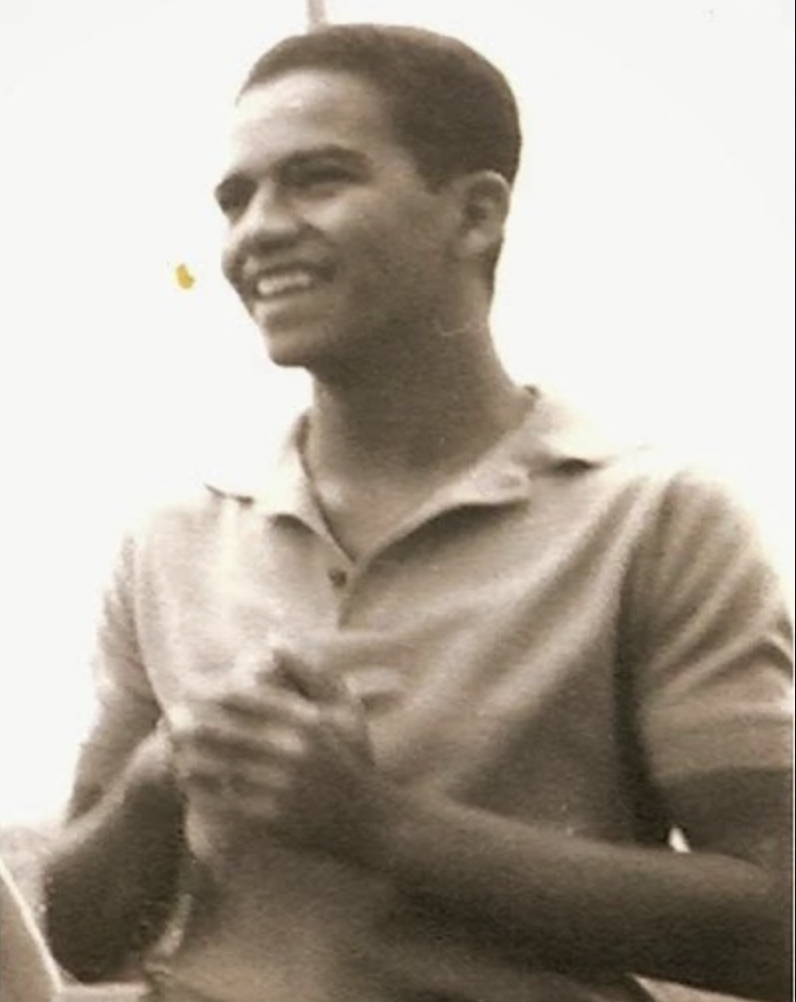
Mestre Tabosa (Hélio Tabosa de Moraes, born 5 February 1947 in Rio de Janeiro) is a respected capoeira teacher and one of the early developers of capoeira in Brasília, Brazil. He moved to Brasília in 1960 and began practicing capoeira in 1964 at Colégio Elefante Branco with Aldenor Benjamin (Mestre Arraia). When his instructor later relocated, Tabosa continued the activities with colleagues who would also become well-known teachers, helping establish one of the first capoeira communities in the Federal District.
In the late 1960s, Tabosa formed a connection with Grupo Senzala, a group recognized for its influence on modern capoeira. He participated with them in several cultural events in Rio de Janeiro. At the same time, he began teaching at the University of Brasília (UnB), contributing to the introduction of capoeira into educational settings.
In 1974, he founded Academia Tabosa de Capoeira e Ginástica Estética, regarded as the first officially organized capoeira school in Brasília. At the academy, he introduced structured training, clear class organization, attendance systems, uniforms, and a graduation model inspired by Brazilian cultural symbolism and color sequences, which later became influential among practitioners in the region.
Throughout the 1970s and 1980s, he organized important workshops, classes, and instructor training sessions, inviting well-known teachers such as Mestre Onça Tigre, Mestre Peixinho, and Mestre Camisa. He also contributed to the presence of capoeira in the Brazilian School Games (JEBS) by helping design an evaluation format based on official capoeira rodas assessed by experienced teachers.
Beyond capoeira, Tabosa participated in various physical and artistic activities, including athletics, canoeing, endurance sports, theater, and music. Over many decades, he trained numerous students, including Mestra Edna Regina Lima, Mestre Tibério, Mestre Japão, and others who continued his teaching approach.
He is the author of the book O Filho de Xangô, which documents aspects of his trajectory and the development of capoeira in Brasília. Today, Mestre Tabosa is recognized as an educator, organizer, and cultural reference within the capoeira community of the Federal District.