- Lived in: São Pãolo
- Date of Birth: 18-Jul-1945
- Date of Death: 01-Jan-1985
-
Learned from:
Mestre Caiçara, Mestre Gato Preto, Mestre Canjiquinha
- Capoeira Style: Angola
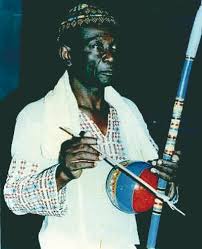
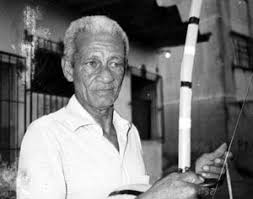
Biography:
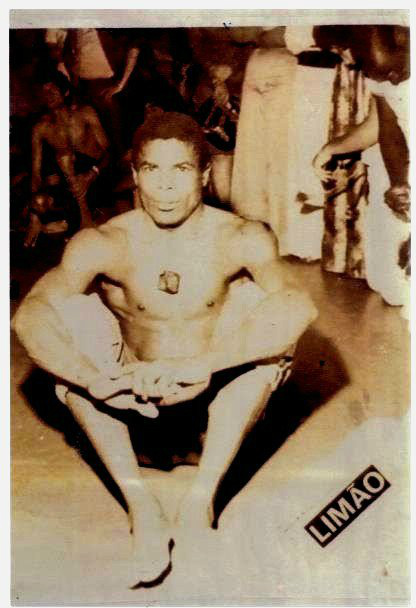
Name: Paulo dos Santos, known as Mestre Limão
Birth: July 18, 1945 in Santo Amaro da Purificação, Bahia, Brazil
Death: 1985 (during a final return to Bahia)
Mestre Limão began practicing capoeira in Bahia, taking part in the street rodas of his youth. He developed in a traditional Angolan environment and later became a direct pupil of Mestre Caiçara, one of Salvador's respected capoeira masters.
In 1969, he moved with Mestre Caiçara to São Paulo, a time when many capoeira practitioners from Bahia were helping to establish the art in the cities of southeastern Brazil. In São Paulo, Limão became part of an important generation of mestres who shaped the beginning of the urban capoeira scene.
That same year, he co-founded the São Bento Pequeno Academy with Mestres Paulão and Pinatti. Shortly afterwards, he founded his own academy, Quilombo dos Palmares, which became the main center of his teaching activity.
Importance in Capoeira
Mestre Limão was known mainly as a practitioner of Angolan capoeira, but he taught capoeira in an open and inclusive way, incorporating elements of Capoeira Regional while maintaining a strong Angolan base. He was respected for his technical knowledge, his understanding of capoeira music - especially the berimbau rhythms he studied with M. Gato Preto and M. Canjiquinha - and his emphasis on the ethical and cultural dimensions of the art.
He was known for making a clear distinction between simply teaching students and forming disciples, stating that a disciple seeks to absorb the full essence of the mestre. This approach shaped his role as a mentor, not just an instructor.
Culturally, Mestre Limão played an important role in the expansion and consolidation of capoeira in São Paulo, helping to transmit Bahian traditions to a new urban and social context during a formative period in capoeira's history.
Vertaalresultaten beschikbaa