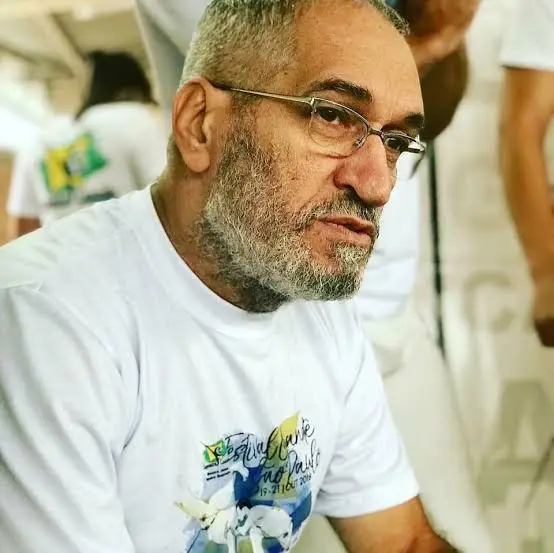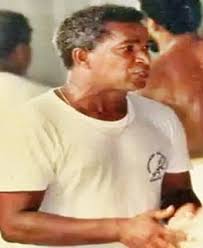
- Viveu em: Salvador, Bahia, Brazil
- Data de nascimento: 18-Oct-1941
- Data de falecimento: 26-Mar-1997
- Aprendeu com: Mestre Bimba
- Estilo de Capoeira: Regional
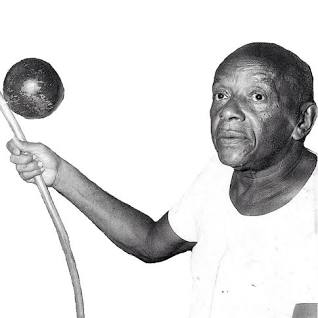
Biografia:
Nome completo: Eziquiel Martins Marinho
Também conhecido como: Mestre Eziquiel, Velho Zica
Nascimento: 18 de outubro de 1941 - São Gonçalo dos Campos, Bahia
Falecido: 26 de março de 1997 - Salvador, Bahia
Linhagem: Formado (lenço azul) de Mestre Bimba
Filiação: Fundador do Grupo Luanda (com Mestre Franklin)
Início da vida e formação
Eziquiel Martins Marinho começou a aprender capoeira quando criança, de maneira informal, nas ruas, típica dos bairros de Salvador. No início dos anos 60, foi levado ao Centro de Cultura Física Regional de Mestre Bimba pelo aluno Sacy. Uma vez dentro da academia de Bimba, ficou para sempre, completando toda a seqüência de treinamento e ganhando o lenço azul, tornando-se um dos alunos fiéis de Bimba.
Sua dedicação fez dele um respeitado representante da Capoeira Regional, principalmente nos elementos práticos do estilo, como os jogos de Iúna, Benguela, São Bento Grande, e a execução de sequências e balões.
Carreira Docente e Formação Policial
Durante muitos anos, Mestre Eziquiel serviu na Polícia Militar Baiana, onde começou a ensinar capoeira para os recrutas da polícia. O seu papel no quartel de Dendezeiros marcou o início da sua longa carreira de professor.
Em 1972, quando Mestre Bimba partiu de Salvador para Goiânia, Eziquiel - junto com Mestre Vermelho 27 - assumiua responsabilidade de manter a academia no Terreiro de Jesus, continuando o trabalho do seu mestre.
Grupo Luanda
Em 1964, ao lado de Mestre Franklin, fundou o Grupo Luanda, em Salvador. O grupo ficou conhecido não só pelo ensino da capoeira, mas também pelas apresentações culturais, que incluíam:
-
Maculelê
-
Samba de Roda
-
Puxada de Rede
-
Shows folclóricos com destaque para a cultura afro-brasileira
O Grupo Luanda se apresentou em todo o Brasil e internacionalmente, ajudando a introduzir a capoeira e as tradições afro-brasileiras para um público mais amplo.
Promoção Cultural e Realizações
Mestre Eziquiel foi um dos mais ativos promotores culturais da sua geração. Participou de grandes grupos folclóricos, como Olodum e Olodumaré, ganhando vários prémios:
-
Primeiro lugar por duas vezes no Festival Internacional de Folclore de Salta, Argentina
-
"Campeão de Folclore em Quito, Equador, recebendo o Huminaua de Oro
-
título brasileiro de "Melhor Ginga" (1976)
Em 1987, participou de importantes eventos nacionais como os XVI Jogos Escolares Brasileiros (JEBs) e a I Jornada Cultural de Capoeira em Ouro Preto.
Em 1989, gravou o disco "Capoeira, Arte e Ofício", que ajudou a divulgar sua voz, ritmo e composições pelo Brasil.
Filosofia e preocupações
Mestre Eziquiel falava frequentemente de dois assuntos que o preocupavam:
-
O respeito e a disciplina na roda, que ele via como essenciais para manter os fundamentos da capoeira.
-
Conflitos entre grupos, que ele acreditava que poderiam prejudicar a unidade e o futuro da capoeira se não fossem tratados com comunicação e respeito mútuo.
Ele temia que praticantes inexperientes pudessem distorcer a arte se ignorassem seus princípios e tradições.
Caráter e Legado
Conhecido por sua humildade, generosidade, voz forte e presença alegre, Mestre Eziquiel tinha uma maneira única de elevar o axé de qualquer roda ou batizado. Seu estilo de cantar e suas composições lhe renderam o reconhecimento como um dos notáveis cantadores de capoeira de seu tempo.
Faleceu em 1997, após um súbito ataque cardíaco, no auge de sua maestria, deixando um legado poderoso na capoeira, na música e na cultura afro-brasileira.
Entre os alunos de Mestre Bimba, ele continua sendo uma das figuras mais responsáveis pela preservação e transmissão da filosofia, das técnicas e do espírito da Capoeira Regional.