Mestre Pombo de Ouro
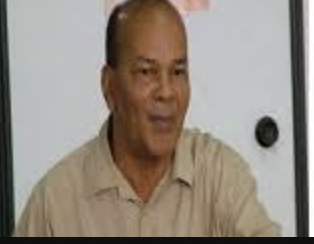
- Lives in: Bahia, Brazil
- Date of Birth: 13-Mar-1948
- Learned from: Mestre Bimba, Valdemar Santana
- Capoeira Style: Regional
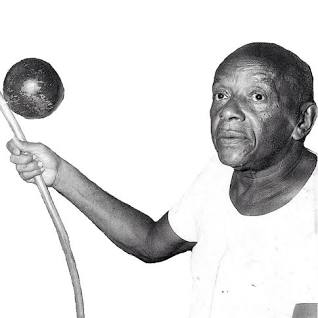
Biography:
Mestre Pombo de Ouro, born José Bispo Correia on March 13, 1948, is a respected Brazilian capoeira master whose journey is deeply connected to the legacy of Mestre Bimba and the Capoeira Regional tradition. His path in capoeira began in 1967, when he was introduced to the art through Querdoval, a student of Mestre Bimba who encouraged him to join Bimba’s academy in Terreiro de Jesus, Salvador. At the time, Pombo de Ouro was working on Rua Chile, where witnessing a Capoeira Angola roda first awakened his interest in the art.
Training directly under Mestre Bimba, he became part of a remarkable generation of capoeiristas and graduated alongside influential mestres such as Itapoan, Camisa Roxa, Saci, Acordeon, Calango, Cabeludo 2, Peteca, and others. This foundation solidified his place within the historic lineage of Capoeira Regional.
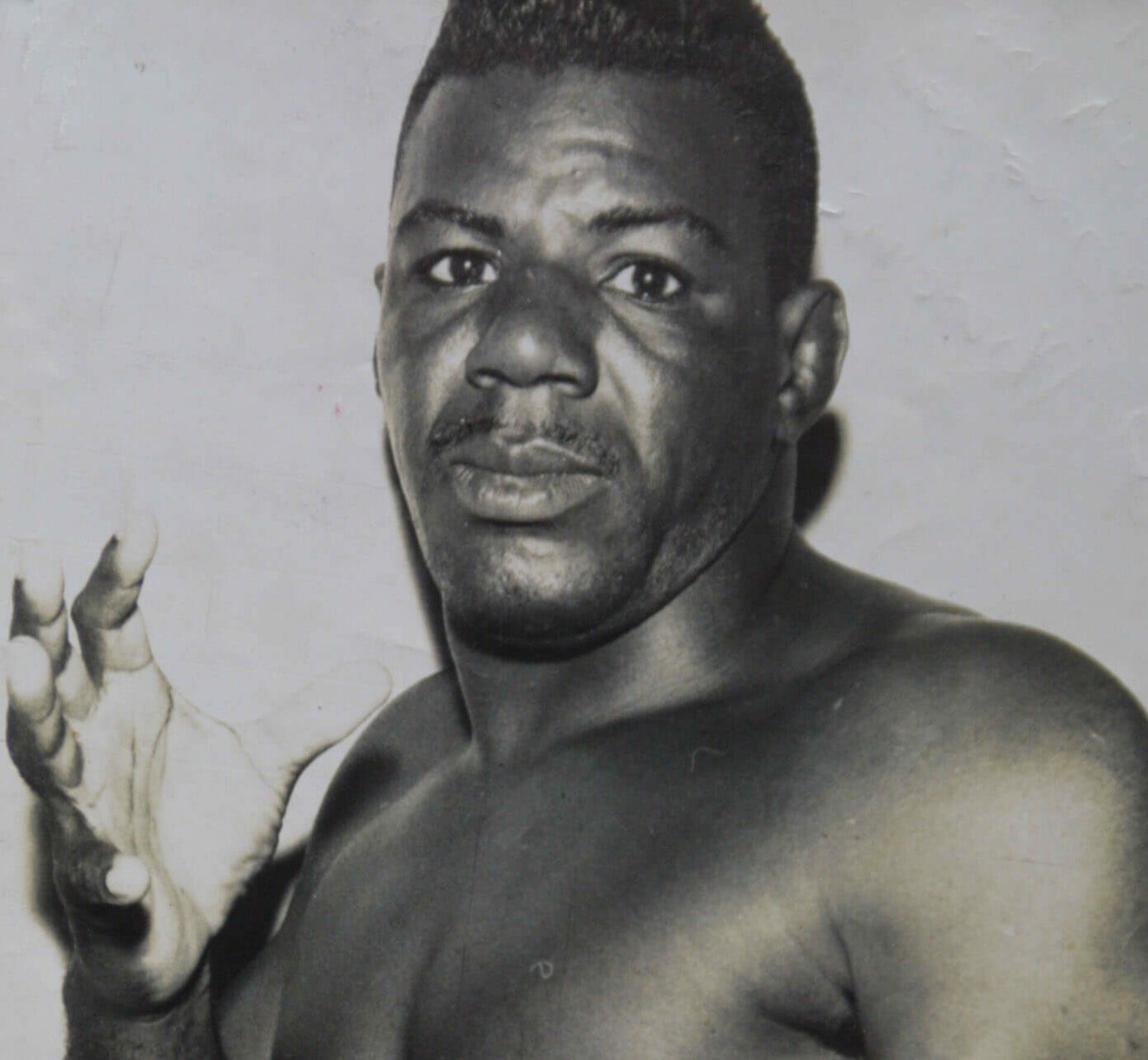
By 1969, Mestre Pombo de Ouro was actively participating in capoeira presentations throughout Brazil. During this period, he traveled to Manaus, where he met Mestre Valdemar Santana, known as “Leopardo Negro”, a renowned boxer and fighter. Valdemar Santana recognized Pombo de Ouro as a student and second master figure, influencing his fighting technique and introducing him to wrestling and other combat modalities.
In 1970, Mestre Pombo de Ouro moved to Brasília, where he met Mestre Tarzan, another of Mestre Bimba’s students. He remained in Brasília permanently, dedicating more than five decades to teaching capoeira, promoting its principles, and contributing to the cultural life of the region.
Recognized as a guardian and diffuser of capoeira knowledge, Mestre Pombo de Ouro is respected for his wisdom, technical mastery, and lifelong commitment to the art. His personal philosophy is captured in his well-known saying:
“The great master is time, the great roda is life, and whoever does not ginga in the roda of life dances.”
Mestre Pombo de Ouro continues to represent the essence of Capoeira Regional — discipline, history, movement, and the constant dialogue between tradition and evolution.