Mestre Gegê Costa Filho
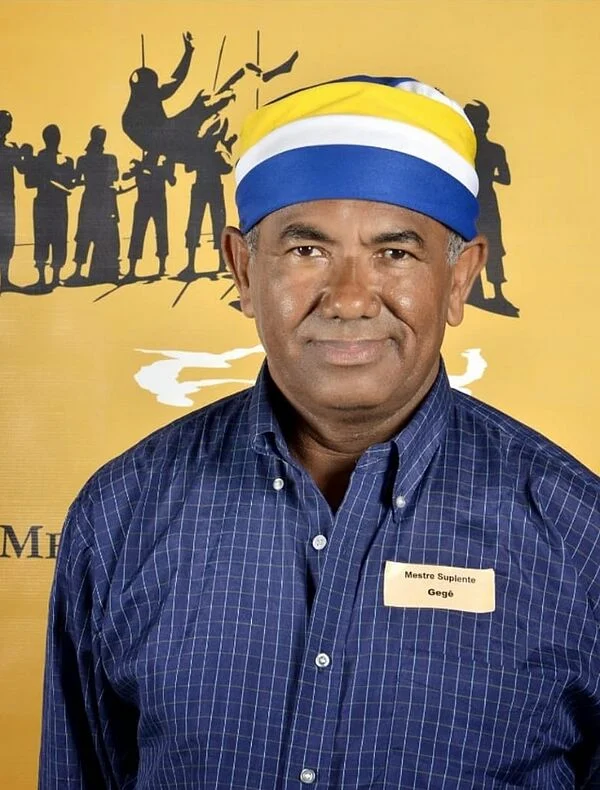
- Lives in: Rio de Janeiro, Brasil
- Date of Birth: 09-Apr-1949
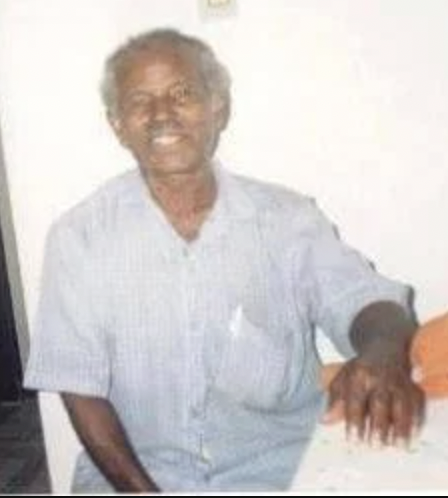
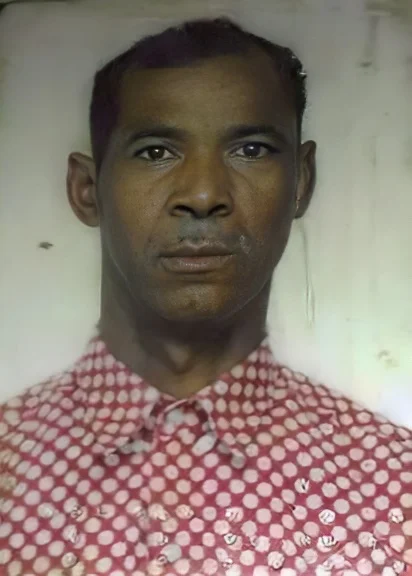
- Learned from: Mestre Sete, Mestre Fernandinho
- Capoeira Style: Angola
Biography:
Geraldo Costa Filho, known as Mestre Gegê, was born on 9 April 1949 in Maragojipe, Bahia, Brazil. He is a Brazilian capoeira master, historian, and composer, recognized for his influential role in preserving Capoeira Angola and traditional capoeira culture in Rio de Janeiro.
Early Life and First Training
-
Began capoeira at age 7 on the beach of São Joaquim, Salvador.
-
Trained under Mestre Sete, one of Salvador’s traditional Angola mestres.
-
Mestre Sete himself had learned from Onça Preta and Rafael (Mestre Cobrinha Verde), placing Gegê within a historically important lineage.
From an early age, Gegê was connected to Bahia’s traditional roda environments, including São Joaquim and nearby port areas where many early 20th-century Angola practitioners trained.
Education and Musical Training
In 1956, Gegê entered a boarding school where he formally studied music.
This early musical background later supported his extensive work as a capoeira composer, contributing to the body of traditional songs still sung in rodas today.
His family had historical ties to maritime trade during the colonial period, which influenced his cultural and historical interests.
Move to Rio de Janeiro (1965)
In 1965, Gegê relocated to Rio de Janeiro, where he became active in the capoeira circles of:
-
Caxias
-
Pilar (Duque de Caxias)
-
Bonsucesso
He is considered, alongside Mestre Barbosa de Caxias, one of the early developers of capoeira in the Pilar district.
Training in Rio
-
Initially trained under Mestre Fernandinho, a student of Mestre Caiçara, known for acrobatics and a powerful game.
-
After Fernandinho left Brazil, Gegê joined the Guaiamuns Nagôs group led by Mestre Zé Pedro, whose roda in Bonsucesso was one of the most influential in Rio’s North Zone.
Grupo Maragojipe de Capoeira
After years of training and participation in important rodas, Mestre Gegê founded his own school:
-
Grupo Maragojipe de Capoeira
(named in honor of his Bahian hometown)
This group reflected his commitment to traditional capoeira practice, historical memory, and musical preservation.
Capoeira Songwriting and Oral History
Mestre Gegê is widely recognized as:
-
one of the leading capoeira composers of Rio de Janeiro
-
a key figure in the preservation of oral tradition through music
His compositions frequently reference:
-
historical rodas
-
capoeira figures
-
urban spaces of Rio and Bahia
-
personal experiences from the 1960s–1980s
Notable song
-
“Adeus Bonsucesso” — a tribute to the roda of Mestre Zé Pedro
-
Included on Grupo Muzenza’s first LP (1988), produced by Mestre Burguês.
-
Academic and Historical Work
Outside the rodas, Gegê trained as a professional historian in Rio de Janeiro.
He conducts historical research on:
-
capoeira lineages
-
Bahian influence in Rio
-
slavery-era and early 20th-century capoeira practices
He is affiliated with:
-
the research department of Grupo Muzenza
He is one of the few mestres with continuous involvement in both academic historical study and practical capoeira instruction.
Recognition
-
2011 — Received the “Prêmio Viva Meu Mestre” from IPHAN, the Brazilian federal cultural heritage institute, for his contributions to the safeguarding of capoeira traditions.
Legacy and Importance
Mestre Gegê is widely regarded as:
-
a central figure in the consolidation of traditional capoeira in Rio de Janeiro’s North Zone
-
a guardian of historical memory through both research and song
-
a transmitter of Bahian Angola lineage outside Bahia
-
an active contributor to the continuity of traditional rodas and capoeira music
He continues to teach, research, and perform, serving as a link between generations of practitioners from Bahia and Rio de Janeiro.