Mestre Roberval
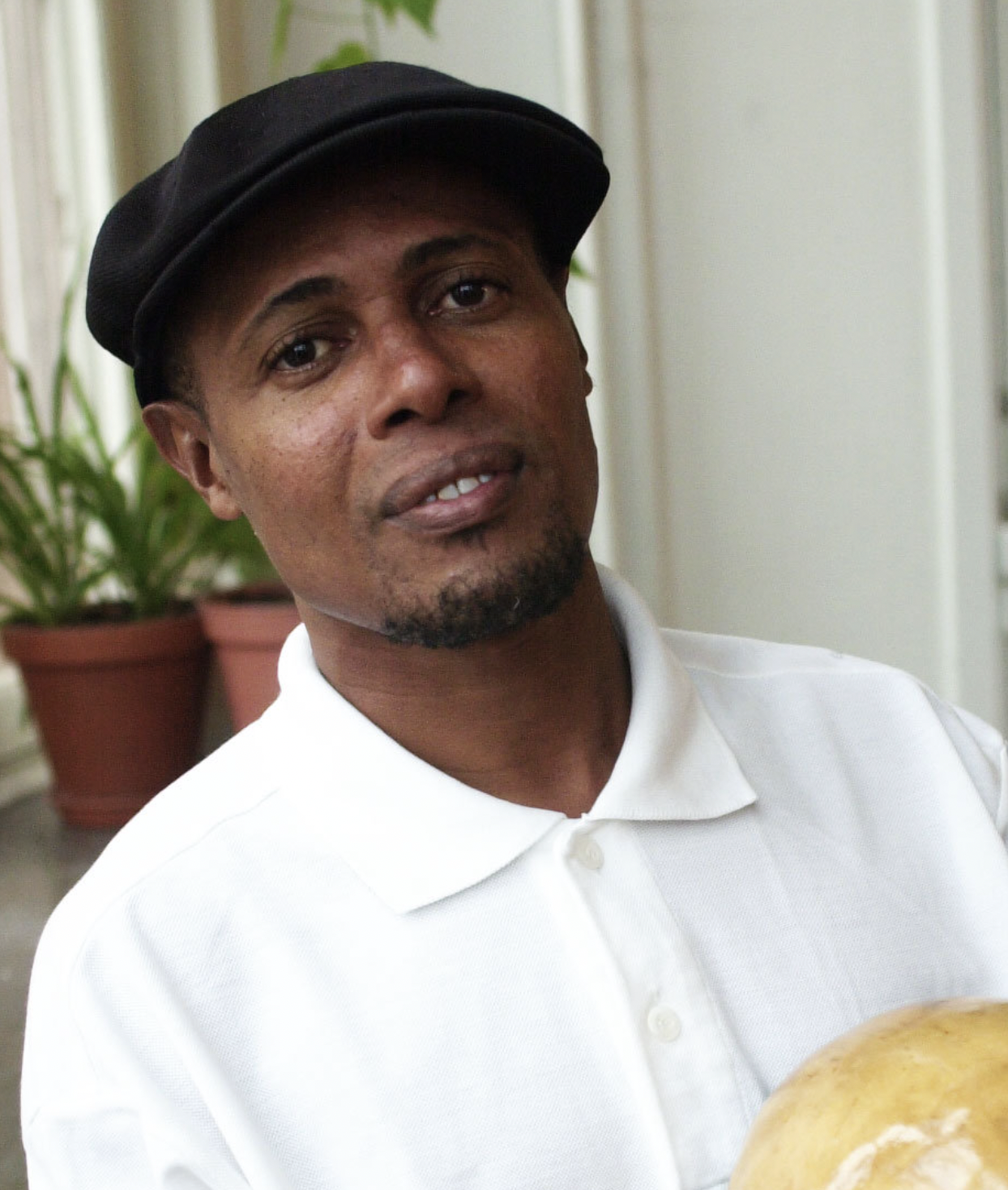
- Lives in: Bahia, Brazil
- Learned from: Mestre Moraes
- Capoeira Style: Angola
Biography:
Roberval do Espírito Santo, known throughout the capoeira world as Mestre Roberval, was born in 1964 in Salvador da Bahia, in the traditional neighborhood of Cosme de Farias. From an early age, he was immersed in the rich cultural landscape of Bahia, a place where capoeira is more than an art—it is heritage, identity, and resistance.
Early Training and Formation
At the age of 14, Roberval began practicing Capoeira Angola, marking the beginning of a lifelong journey. He trained with dedication under Mestre Alfredo and Mestre Celeste, spending countless hours refining movement, rhythm, and ritual. Through this rigorous apprenticeship, he gained not only technical skill but also a deep appreciation for the philosophy and history that give Capoeira Angola its ancestral power.
One of the most influential elements of his formation was his weekly ritual of attending the roda at Mestre João Pequeno’s academy in the Forte de Santo Antônio, every Sunday.
There, among the elders and guardians of Pastinha’s lineage, he observed, learned, and absorbed the wisdom transmitted in the game, in the songs, and in the silence between movements.
During these years, he interacted with some of the greatest capoeira masters of Bahia, including:
-
Mestre João Pequeno
-
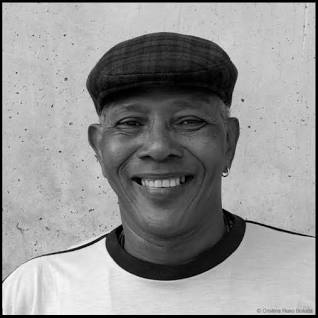
Mestre Moraes
-
Mestre Cobrinha
-
Mestre Curió
-
Mestre Lua de Bobó
-
Mestre João Grande
Their influence was invaluable. Each encounter offered new perspectives, techniques, and philosophies, shaping Roberval into a thoughtful, grounded, and highly respected angoleiro.
Emergence as a Teacher and Leader
As his skill and confidence grew, Roberval began to stand out in the roda. His style—firm, expressive, rooted in tradition yet uniquely his—earned him admiration from peers and elders alike. By the early 1980s, he had become an active and respected participant in the capoeira community.
In 1981, a pivotal year in his life, Roberval met Laércio, Rosalvo, Fábio, and others who shared his passion for Angolan tradition. Together, they founded the group Filhos de Angola, marking a significant chapter in his mission to preserve and defend Capoeira Angola.
This group would later become one of the important references for Angola in Salvador, promoting discipline, cultural memory, community engagement, and respect for lineage.
International Influence and Diaspora Work
Over the decades, Mestre Roberval helped spread Capoeira Angola beyond Brazil, creating a global network of dedicated practitioners.
His students and their groups can now be found in:
-
Brazil
-
Sweden
-
England
-
France
-
Spain
-
Switzerland
-
Germany
Through international workshops, rodas, cultural projects, and long-term residencies, he helped anchor the Angola tradition in diverse communities, always emphasizing respect, humility, and fidelity to ancestral knowledge.
Social Work and Community Commitment
Beyond his international presence, Mestre Roberval maintains a deep commitment to social work in impoverished communities in Brazil. He has created and supported:
-
educational programs,
-
cultural projects,
-
youth empowerment initiatives,
-
and professional development opportunities.
Through these efforts, he uses capoeira not only as a martial art but as a tool for dignity, identity, cultural pride, and social transformation. His work has inspired countless young people to believe in their own potential.
Legacy
Today, Mestre Roberval is recognized as:
-
a guardian of Capoeira Angola’s traditional lineage,
-
a skilled teacher with decades of experience,
-
a founder of new generations of angoleiros across Brazil and Europe,
-
and a leader who continues to use capoeira as a means of transformation, community building, and cultural preservation.
His journey—from Cosme de Farias to rodas across the world—is a testament to the power of Capoeira Angola to shape lives, create identity, and bridge cultures.